
Should Your Brand Use AI-Generated Visuals? A Practical Framework
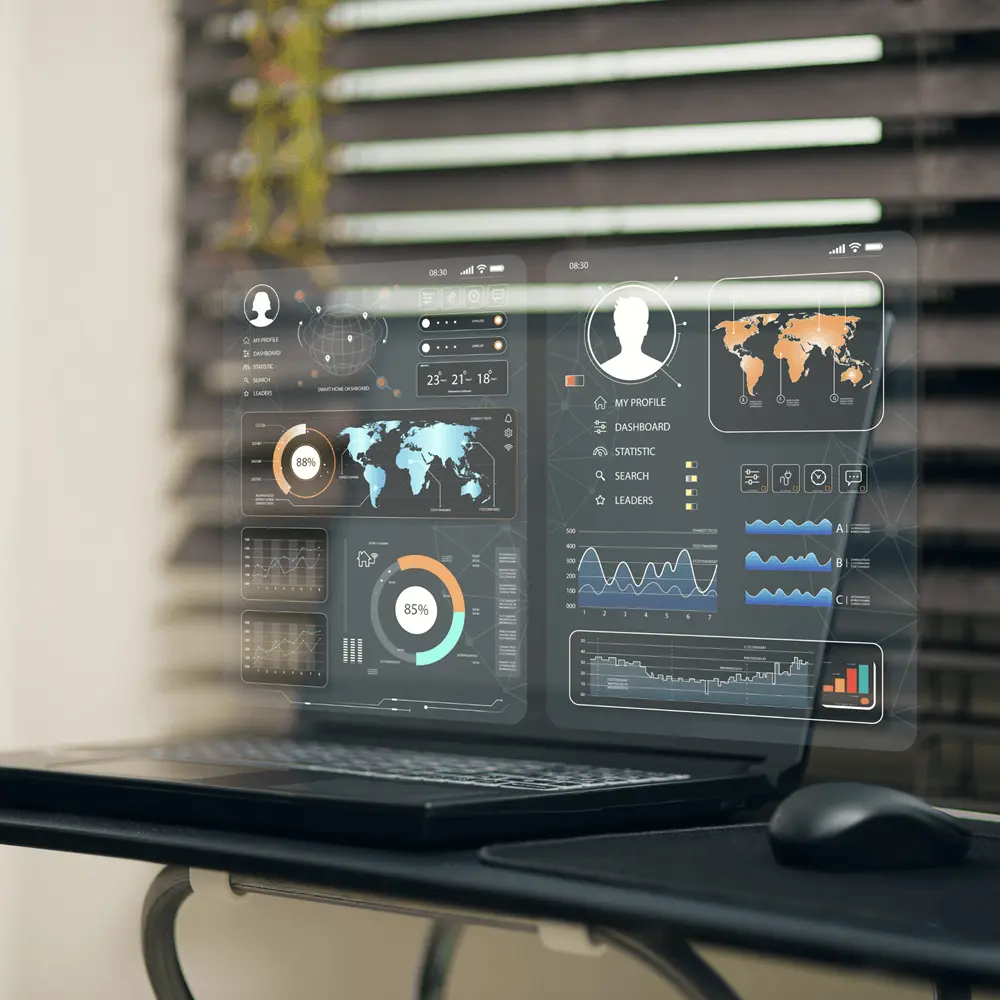
AI image generation has gotten good enough that the question isn’t “can we use this?” anymore — it’s “should we, for this specific piece of content?” Those are different questions, and treating them as the same one is how brands end up with visuals that look impressive in isolation but quietly undermine trust.
Where AI visuals genuinely help
Background elements, abstract concepts, mood-setting imagery, and quick concept mockups are strong use cases. If a post needs a general “digital transformation” visual or a stylized background for a quote graphic, AI generation is fast, cheap, and the output doesn’t need to represent anything specifically real. Testing multiple creative directions before committing budget to a full photoshoot is another strong use — AI mockups can validate a concept before real production spend.
Where it creates risk
Anything claiming to represent your actual product, your real team, or real client results is the wrong use case. A brand showing an AI-generated “team photo” or a fabricated “before and after” result isn’t just a style choice — it’s a trust problem waiting to surface, especially once audiences get better (and they are getting better) at spotting AI-generated people and scenes. Once a follower notices one faked visual, they start questioning everything else the brand has posted.
There’s also a category-specific risk: food, beauty, and product photography where texture, color accuracy, and real detail matter to a buying decision. An AI-generated image of a dish or a skincare product can look appealing but mislead about what a customer will actually receive — which creates returns, complaints, and reputation damage that outweighs whatever the image saved in shoot costs.
A simple test before using one
Before publishing an AI-generated visual, we ask one question: if a customer found out this specific image wasn’t real, would they feel misled? If the honest answer is yes — because it implies a real result, a real product, or a real person — it shouldn’t go out as AI-generated without clear disclosure, or it shouldn’t be AI-generated at all. If the answer is genuinely no — it’s clearly abstract, decorative, or conceptual — it’s usually a safe and efficient choice.
Used with that distinction in mind, AI visuals are a useful tool in the kit, not a replacement for real photography where realness is actually the point.